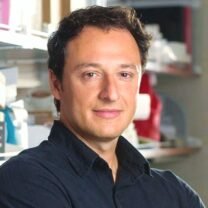
Alysson R. Muotri
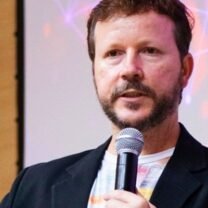
Anderson Rocha
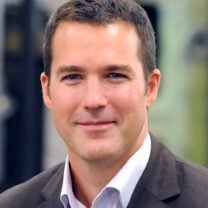
Andrew Smyth
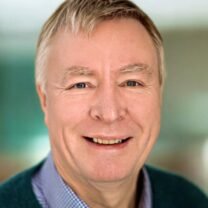
Anthony Watts
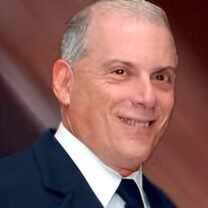
Emmanuel de Almeida Burdmann
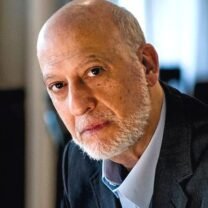
Esper A. Cavalheiro
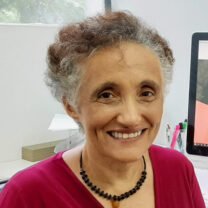
Ester Cerdeira Sabino
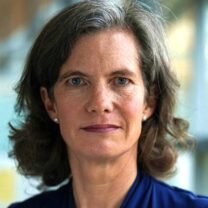
Felicia Keesing
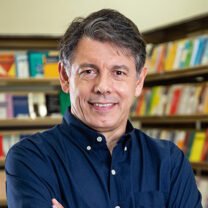
Marcelo Viana
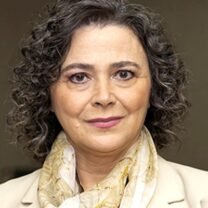
Soraya Smaili
Meet the Researchers
participating in the 2025 School
Engaging knowledge,
groundbreaking research
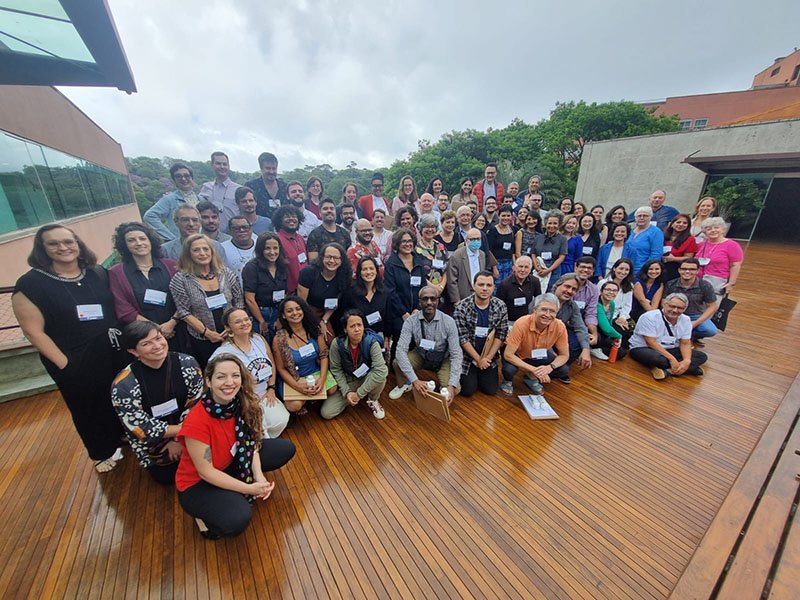
Meet the eight top researchers – from Brazil, the United Kingdom and the USA – that we´ll meet in the School 2025.
The FAPESP Interdisciplinary School is a unique opportunity to engage with leading scientists from Brazil and abroad in discussions about the most pressing and relevant topics on Exact Sciences, Natural Sciences, Engineering and Medicine. Moreover, it allows students to present their own work to a selected audience, as “short pitch” presentations and posters.

Speakers & Talks
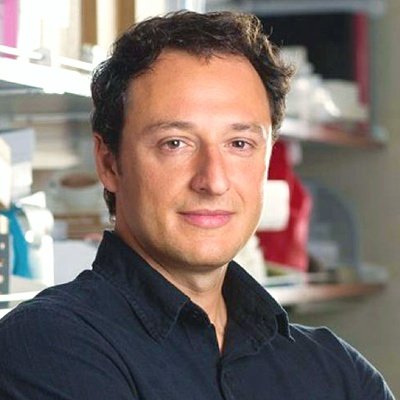
Alysson R. Muotri
Director Archealization Center (ArchC), Director of Sanford Stem Cell Education and Integrated Space Stem Cell Orbital Research (ISSCOR) Center, Director Gene Therapy Initiative, Associate Director for the Center for Academic Research & Training in Anthropogeny (CARTA), Dept. of Pediatrics & Cellular Molecular Medicine UCSD School of Medicine | Rady Children’s Hospital Sanford Consortium
1. Participation in the School
2. Bio
Applications of human brain organogenesis
Structural and transcriptional changes during early brain maturation follow fixed developmental programs defined by genetics. However, whether this is true for functional network activity remains unknown, primarily due to experimental inaccessibility of the initial stages of the living human brain. We developed cortical organoids that spontaneously display periodic and regular oscillatory network events that are dependent on glutamatergic and GABAergic signaling. These nested oscillations exhibit cross-frequency coupling, proposed to coordinate neuronal computation and communication. As evidence of potential network maturation, oscillatory activity subsequently transitioned to more spatiotemporally irregular patterns, capturing features observed in preterm human electroencephalography (EEG). These results show that the development of structured network activity in the human neocortex may follow stable genetic programming, even in the absence of external or subcortical inputs. Our approach provides novel opportunities for investigating and manipulating the role of network activity in the developing human cortex. Applications for neurodevelopmental and age-related disorders, brain evolution, and organoid-machine interfaces will be discussed.
- neuroscience
- physiology
- genetics
- health
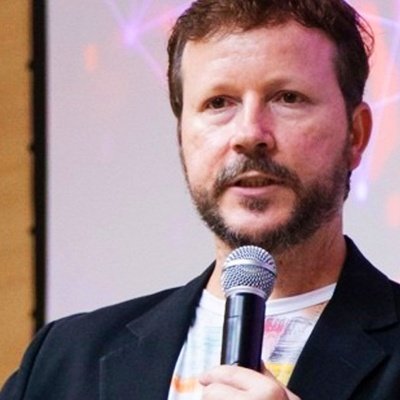
Anderson Rocha
Head, Artificial Intelligence Lab., Recod.ai - Institute of Computing University of Campinas, SP - Brazil
1. Participation in the School
2. Bio
Bits, Atoms, Neurons and Genes (B.A.N.G.): the Convergence Revolution in the 21st Century
In the rapidly evolving landscape of technological advancements, the convergence of Bits, Atoms, Neurons, and Genes (BANG) is reshaping the fabric of our society. Artificial Intelligence (AI) stands as a powerful catalyst in this transformation, offering solutions that hold the potential to revolutionize our approach to different areas such as trust & democracy, agrobusiness, energy, health & wellbeing, among others. This talk explores the profound impact of AI on addressing a myriad of challenges across these domains while driving us towards a brighter future.
- convergence
- AI
- science
- technology
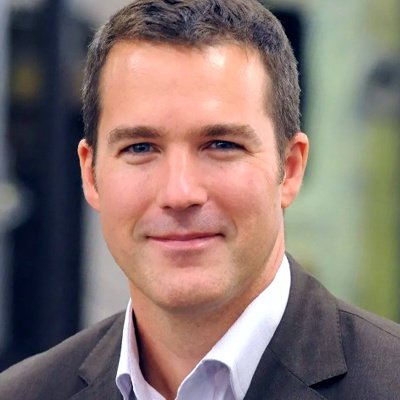
Andrew Smyth
Robert A.W. and Christine S. Carleton Professor of Civil Engineering & Engineering Mechanics, Vice-Chair of the Department, and Faculty Director of Research at Columbia University
1. Participation in the School
2. Bio
He is the PI and Director of a $26M NSF Engineering Research Center for Smart Streetscapes. He is an NSF CAREER award recipient, 2008 ASCE Walter L. Huber Civil Engineering Research Prize recipient, and in 2013 was elected as a Fellow of the ASCE Engineering Mechanics Institute. In 2007 he was a Visiting Researcher at the Laboratoire Central des Ponts et Chausées, Paris, in 2014 a Visiting Researcher at KU Leuven in Belgium, and in 2019-20 a Visiting Professor at Trinity College, Dublin. In 2018-2019 he served on NY State Governor’s 6 member L-Train Tunnel Review Panel which proposed a rehabilitation redesign obviating the need for a 15-month shutdown. In 2018 received the Great Teacher Award from the Society of Columbia Graduates, and in 2023 received the USC Distinguished Alumni Award.
He currently serves as the Vice-Chair of the Department of Civil Engineering & Engineering Mechanics, and is the Faculty Director of Research for Columbia’s Robert A.W. Carleton Strength of Materials Laboratory. He was the founding co-Editor in Chief of the Journal of Intelligent Infrastructure and Resilience. He has served as an Assoc. Editor of the ASCE Jo. of Engineering Mechanics and on the Editorial Board of the Int. Jo. of Structural Control and Monitoring, and in 2011 was elected to serve on the Board of Governors of the ASCE Engineering Mechanics Institute, and in 2013 served as the Vice President of the EMI. He is the President of the International Association of Structural Control and Monitoring.
Prof. Smyth received his Sc.B. and A.B. degrees at Brown University in 1992 in Civil Engineering and Architectural Studies respectively. He received his M.S. in Civil Engineering at Rice in 1994, an M.S. in Electrical Engineering (1997) and his Ph.D. in Civil Engineering (1998) at the University of Southern California.
Smart cities frontiers
With increasing urbanization in America and around the world, urban challenges have become humanity’s challenges. Engineering can play a critical role in addressing these challenges. Already opportunities of new and more pervasive sensing modalities coupled with powerful computational modeling tools to better understand and manage our cities are hitting their stride to improve efficiencies, safety and performance. But over the horizon an even greater opportunity to overlay and integrate a digital layer with our physical urban system layer offers new channels for improved livability for all through adaptive urban functionality. Next Generation low-latency high-bandwidth communications and edge computing technologies leveraging broader contextual awareness from sensor arrays will be at the heart of this digital layer. Critical to the adoption of a more real-time, high precision, digital layer with urban functionality is the integration of security, privacy and fairness from inception at this new frontier in processing of sensed data from the public domain. The presentation traces the speaker’s research path from infrastructure monitoring, to vehicle fleet monitoring to broader use of urban sensor data in enhancing performance of infrastructure systems, culminating in the NSF Engineering Research Center for Smart Streetscapes.
- smart cities
- urban planning
- engineering
- technology
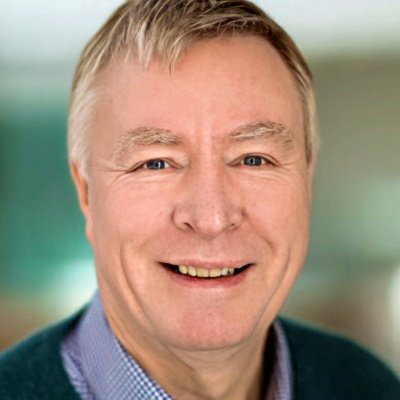
Anthony Watts
Biochemistry Department, University of Oxford
1. Participation in the School
2. Bio
In June 2024, Tony was elected President of the Intl. Union of Pure and Applied Biophysics (IUPAB.ORG; ~60 societies world-wide, ~ 15,000 members) and has served on the executive committee of the European Biophysical Societies’ Association (EBSA.ORG; 2000 - on) of which he was President (2017- 2020) and has been a member of the British Biophysical Society (1973-on) and Chair (1997 – 2010; 2011-2017). He has been Managing Editor of Biophysical Chemistry (1990-1999), the European Biophysical Journal (2000 – 2015) and Associate Editor of the Biophysical Journal (2000 – 2007). Tony is a Honorary Fellow of the British Biophysical Society and the Hungarian Biophysical Society, a Fellow of the Royal Society of Chemistry, the Royal Society of Biology, the Institute of Physics and the Biophysical Society.
Tony’s research has been focused on resolving new insights into biomembrane dynamics that are coupled closely to biochemical function, using a significant range of biophysical spectroscopic methods, including pioneering developments of solid-state magnetic resonance. He has exploited novel bio-organic chemical labeling strategies for lipids and ligands to enable detectable reporter groups to provide quantitative molecular information in membrane receptors and drug targets for the first time. As major contributions, he has described functionally significant molecular recognition between lipids and proteins and, uniquely, conformational, electronic and differential dynamic details for bound ligands and drugs at their site of action. Most recently, very high-resolution structures (1.03Å) of a membrane receptor has given intimate details about the importance of molecular water in receptor sensitization, and XFEL studies show dynamic (fs – ms) details of activation – publications here.
What has biophysics done for humanity?
Biophysics is a multi-, cross- and trans-disciplinary sciences that explores the Physics of Life. The subject embraces all aspect of science to gain an understanding of life and the processes of life, across all time and length scales. The field therefore shares significant overlap with biochemistry, molecular biology, computational biology, physical chemistry, nanotechnology, bioengineering, biomechanics, developmental biology and systems biology.
Very few practising biophysicists formally read or studied biophysics as an undergraduate degree, but come to the subject through physics, chemistry, biology or computation, sometimes through a PhD. The tools and methods include those able to gain high resolution atomic details of biomolecules, computation (AI included) to analyse multiple data sets, spectroscopic approaches to resolve dynamic details, chemistry to control biochemical processes, and biological methods to produce novel systems, often at the nanoscale.
The outcomes from biophysics research over the last 100 years in particular (many biophysical societies, including the Brazilian Biophysical Society, were founded since ~1930) are many, and include magnetic resonance imaging in all its forms, genetic testing, drug discovery, physical interventions in the body (eg: heart pacemakers, heart lung devices, etc), imaging and intervention methods.
Here, a personal overview of biophysics as a subject will be presented, with examples of how it has and is impinging on society and individuals.
Reference:
https://www.youtube.com/watch?v=RRy5oD-4Zps
- biology
- physics
- chemistry
- technology
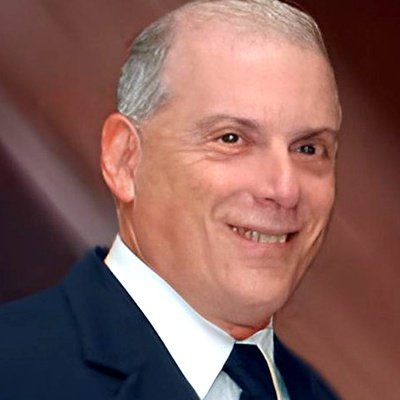
Emmanuel de Almeida Burdmann
Professor Associado da Disciplina de Nefrologia da Faculdade de Medicina da Universidade de São Paulo
1. Participation in the School
2. Bio
Website of USP: https://www3.fm.usp.br/fmusp/docente/emmanuel-de-almeida-burdmann
Emmanuel Burdmann holds a degree in Medicine from the University of São Paulo School of Medicine (1978), a PhD in Nephrology from the University of São Paulo School of Medicine (1989), and a postdoctoral degree from Oregon Health Sciences University (USA, 1991-1993). In 1996, he obtained the title of Full Professor in Nephrology from the University of São Paulo School of Medicine. He is currently an Associate Professor 3 (MS-5) of Nephrology at the University of São Paulo School of Medicine. He has experience in Medicine, with an emphasis on Nephrology, working primarily on the topics of acute renal failure and nephrotoxicity.
Challenges of submitting a successful research grant proposal
In this workshop, we will discuss key issues to consider when submitting a research grant or research proposal to funding agencies to maximize your chances of success.
- research
- research grants
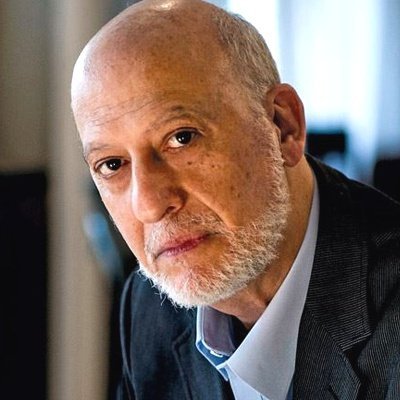
Esper A. Cavalheiro
Professor Emeritus at the Paulista School of Medicine/UNIFESP and Advisor to the Scientific Directorate of FAPESP
1. Participation in the School
2. Bio
Website of USP: https://unifesp.br/prodmais/profile.php
Esper Abrão Cavalheiro, MD, is Professor Emeritus in the Department of Neurology and Neurosurgery at the Paulista School of Medicine ofUniversidade Federal de São Paulo. He is a Full Member of the Brazilian Academy of Sciences, the International League Against Epilepsy, and the International Bureau of Epilepsy. He was President of the National Council of the Scientific and Technological Development (CNPq) and Secretary of Science and Technology Policies and Programs of the Ministry of Science and Technology-Brazil. He was President of the Forum of Pro-Rectors of Research and Graduate Studies, Coordinator of the Graduate Program in Neurology and Neuroscience at UNIFESP, and Vice-Rector of the Academy of Sciences of the State of São Paulo. He conducts neuroscience research focusing on the mechanisms underlying major neurological diseases, an area in which he has published over 500 articles in specialized journals, as well as book chapters and published books. He has supervised master's dissertations and doctoral theses in medicine and physiology. He has received awards and honors, including the Grand Cross of the Order of National Scientific Merit and the title of Commander of the Order of Rio Branco. He was an advisor to the Center for Management and Strategic Studies in Science, Technology, and Innovation, where he led strategic prospecting studies in several areas. From 2010 to 2015, he was President of the Scientific Council of the APAE Institute of São Paulo. In 2013, he assumed the position of Provost of Planning at UNIFESP, a position he held until April 2017. He was a member of the Board of Directors of CNPEM (National Council for Environmental and Social Development) and is a member of the Board of Trustees of the Péter Murányi Foundation. He assumed the position of Pro-Rector of Graduate Studies and Research at UNIFESP in May 2017. After his retirement from UNIFESP (September 2018), he served as a researcher at CNPEM (National Council for the Development of Graduate Studies) from November 2018 to March 2020. He coordinated the National Institute of Science and Technology in Translational Neuroscience (INNT), of which he is currently one of the principal investigators. He is Chair of the Committee for the Preparation of the National Graduate Plan (PNPG 2025-2029). Since 2024, he has served as an advisor to the Scientific Directorate of FAPESP.
Ethics and Integrity in Scientific Research: the risks of AI
The Ethics and Scientific Integrity Committees present at Brazilian Higher Education, Research, and Funding Institutions aim to ensure that all scientific activities carried out by their community are conducted responsibly, transparently, and in line with international ethical standards.
Their guidelines focus on (1) education; (2) prevention; (3) analysis of potential misconduct; and (4) suggesting the application of fair sanctions appropriate to the severity of each case. The recent introduction of AI has exerted ambivalent influences on scientific activity. While it allows for increased data processing capacity, the optimization of analytical methods, and the introduction of new directions in research, it can also produce questionable information, compromise reproducibility, and raise ethical dilemmas, especially when applied without due transparency.
Therefore, it is important to understand that the use of AI in scientific activities should not, under any circumstances, compromise the integrity and ethical responsibility of researchers.
- research
- AI
- ethics
- education
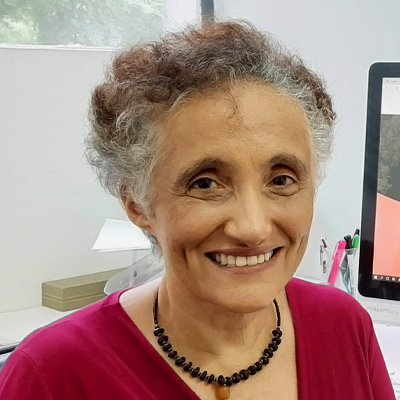
Ester Cerdeira Sabino
Full Professor in the Department of Pathology at the University of São Paulo (USP) School of Medicine
1. Participation in the School
2. Bio
Her main research interests include transfusion safety, HIV, Chagas disease, emerging viral infections, and sickle cell anemia.
Preparing for the Next Epidemic: Building Systems for Rapid Response.
The world must prepare for new epidemics in the face of climate change. In this talk, we will discuss how the world is getting ready, with a focus on Brazil and its Unified Health System (SUS). Preparation requires multidisciplinary knowledge that brings together the fields of health, technology, communication, and sociology. We need to develop technologies that can facilitate detection and communication with health authorities, enabling timely decision-making.
- aging
- health
- technology
- climate change
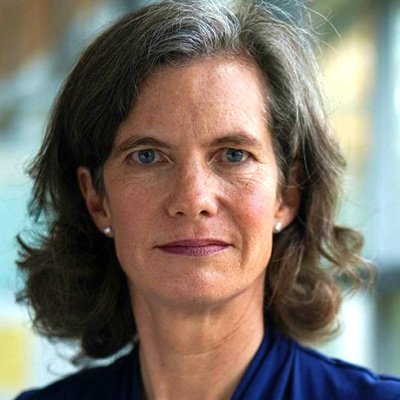
Felicia Keesing
David & Rosalie Rose Distinguished Professor of the Sciences, Mathematics, & Computing Professor of Biology- Bard College
1. Participation in the School
2. Bio
From 2016 to 2021, she and Ostfeld co-directed the Tick Project, a study to test whether environmental interventions could prevent Lyme and other tick-borne diseases in residential neighborhoods of Dutchess County, New York.[7]
Keesing's recent research in Kenya focuses on the ecological, economic, and social consequences of managing land in Laikipia County, Kenya for livestock, wildlife, or both.[8]
In 2009, she served on the steering committee for the Vision and Change[9] initiative to reform the teaching of undergraduate biology, and from 2012 to 2017, with funding from the Howard Hughes Medical Institute, she directed a project on science literacy for college students. In 2017, she led the development of the curriculum for the Citizen Science program[10] at Bard College.
Improving prevention of zoonotic diseases
More than seven million people died from COVID-19 and a hundred times that many were sickened. One of the best ways to be better prepared for a future pandemic would be to prevent it from occurring in the first place. In my talk, I will describe the strategies scientists have been using to try to predict and prevent outbreaks of emerging infectious diseases of humans. These efforts single out zoonotic diseases – diseases caused by pathogens that can be shared between people and other vertebrate animals – because these account for 75% of emerging infectious diseases of humans. I will highlight, though, why the early promise of the current paradigm has failed, and I will give specific recommendations for how our current strategies could be improved. I will outline a new strategy that draws on the critical role that biodiversity plays in protecting us from many zoonotic diseases, emphasizing a suite of principles that should guide prevention.
- public health
- emerging diseases
- zoonotic diseases
- biodiversity
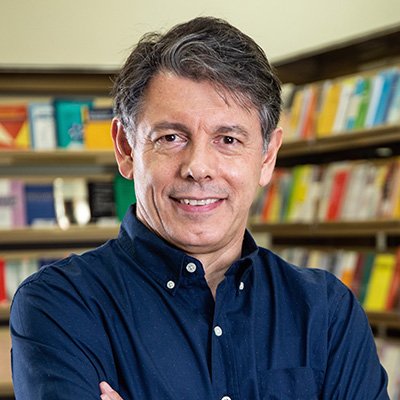
Marcelo Viana
Professor of Mathematics, Director IMPA
1. Participation in the School
2. Bio
No match
Science, technology, and innovation are the driving forces behind development and wealth generation, and the inevitable path to solving the major problems of our time: pandemics, the climate crisis, the energy transition, quantitative medicine, environmental preservation, and artificial intelligence, among others.
What are universities doing to endow Brazil with professionals with these skills?
In China, 50% of graduates are in STEM fields. In the United States, the figure is 33%. In India, it is 30%. Here, it is 13%, and that percentage isn’t growing. On the other hand, 27% of total university enrollments are in just four programs, whose employability rates hover around 10% or less.
- science
- technology
- innovation
- economy
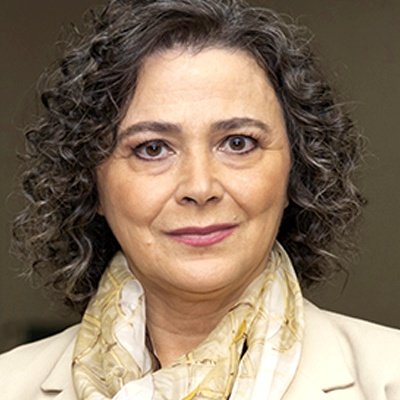
Soraya Smaili
Full Professor at the Paulista School of Medicine – UNIFESP
1. Participation in the School
2. Bio
Science Communication vs. Intentional Misinformation – How to Confront Science Disguised as Denial
We often talk about the need to communicate science and carry out outreach actions capable of presenting high-quality scientific information to the general public. However, we face a series of questions: Is it the role of the researcher to disseminate their results to society? How should the researcher act to maintain scientific rigor while enabling communication and dialogue with different social groups and areas? At the same time, there is a significant search by the scientific community for social networks and media, without a clear and targeted way of distribution or audience. For this, it is important to consider current mechanisms of social communication, information sharing, and the exchange of good practices to avoid trivialization or distortion of the information conveyed.
Currently, as important as the dissemination of information about science is the understanding of the different forms of intentional misinformation, the so-called fakes, which are false information not based on scientific evidence and can be disseminated very quickly and efficiently. Several studies are underway to understand how these (mis)information pieces are created and how they can be confronted, since there are ecosystems and networked misinformation capable of spreading false information on topics such as environment, health, public safety, social rights, among others, which are the preferred themes.
This workshop will present some of the communication strategies, using current mechanisms and based on successful experiences. In addition, it will present available methods and tools to present high-quality information, as well as measures to recognize and confront intentional misinformation.
- knowledge
- communication
- science
- misinformation